The Hermes MCP server is the most underrated money-maker in the AI tooling stack right now, because once you wire Codex and Hermes together through MCP you can productise services that genuinely could not exist twelve months ago. As someone who has built a seven-figure SEO agency and now runs three other businesses solo, I can tell you that the gap between "I use AI agents" and "I sell AI-agent-powered services" is where most of the money in 2026 actually lives.
This post is the make-money view of the Hermes MCP server. I will walk through the productisable services you can sell on this stack, the pricing math that makes one-person agencies viable, the simple and powerful setup paths, the four-layer mental model you sell clients on, and the token-economy hack that makes margins absurd.
🔥 Want my full Hermes MCP server + Codex setup guide? AI Profit Boardroom has the 30-day roadmap, 100 prompts, full setup SOPs, plus guides on Hermes + Claude MCP, Paperclip + Hermes, and more. Daily Q&A + 4 weekly coaching calls. → Get inside
Why The Hermes MCP Server Is A Money Machine
The Hermes MCP server is Hermes Agent exposed through the Model Context Protocol so any compatible client — Codex, Claude, anything — can call Hermes's tools directly. From a money-making perspective, that single shift is the difference between selling AI as advice and selling AI as delivery.
Clients do not pay for AI advice. They pay for outcomes. The Hermes MCP server lets you stack two of the strongest agents on the planet (Codex as the builder, Hermes as the worker) on the same project, in parallel, and deliver outcomes that previously required a full team. That is what clients pay for and that is what the MCP server makes possible.
The reason the margins are so good is that the stack itself is essentially free. The Hermes MCP server is open source. Codex you already pay for. Hermes can run on a free model. You are selling the output of a near-zero-marginal-cost machine. That is the definition of a high-margin service business.
Hermes MCP Server Services You Can Productise
The simplest productisable service is "build-and-ship" packages. You sell a landing page or a small site for a flat fee. Codex builds it. Hermes deploys it. You ship in hours instead of weeks. Clients pay the same — sometimes more — for the speed.
The next productisable service is content automation. You set up a Hermes pipeline that writes, schedules, and publishes content for a client across WordPress, social, and email. Codex generates the content. Hermes ships it on a schedule. The client pays monthly for the output. You touch it once a week to spot-check quality.
The third productisable service is competitor monitoring and gap-filling. Hermes runs 24/7 watching a client's competitors. When a competitor publishes something, Hermes identifies the gap, Codex builds the response (a blog post, a landing page, a comparison page), and the client gets new ranking pages without lifting a finger. This one alone can be priced at agency rates because the output is agency-quality.
The fourth productisable service is full-stack SEO delivery. You combine all the above into a monthly retainer where the entire SEO operation — content, deployment, monitoring, and reporting — runs on the Codex + Hermes MCP stack. Margins on this service are silly. See Hermes SEO for the full SEO pipeline.
The fifth productisable service is "automation setup" itself. Charge clients to install this stack for them. You do the setup in an afternoon. They pay you for the setup plus a monthly maintenance retainer. This is the easiest service to start with if you are new to selling AI.
Pricing Math That Actually Works
The pricing math on this stack is the most fun spreadsheet I have run all year. Here is the conservative version.
A simple build-and-ship package (landing page or small site) was historically a £2,000-£5,000 project. With Codex + Hermes MCP the delivery time is roughly two to four hours including review. If you charge £1,500-£3,000 you undercut the market and still walk away with £400-£800 per hour. That is agency-partner-level money on a solo workflow.
A content automation retainer was historically £2,000-£8,000 per month with a content team. With the stack, your marginal cost is essentially zero — you have a Codex subscription you already pay for and a free Hermes model. You can charge £1,000-£3,000 per month, undercut every agency, and pocket close to all of it. Three clients on this service and you are at £3,000-£9,000 per month from a stack that runs itself.
A full-stack SEO retainer was historically £5,000-£20,000 per month with a full team. With this stack, one person can deliver what used to need five. You can charge £3,000-£10,000 per month per client and run five to ten clients solo. Run the numbers — the upper end of that range is a £100,000+ per month one-person business.
The pricing math is not theoretical. This is the actual leverage curve the Hermes MCP server unlocks.
The Simple Hermes MCP Server Setup For Service Delivery
If you are starting to sell services on this stack, do the simple setup first. It takes two minutes and gets you to a working state immediately.
You install Hermes Agent with one command from the README. You open Codex. You click the terminal toggle. You type hermes in the integrated terminal. Hermes is now running inside Codex with full access to the project directory.
The service delivery flow that falls out of this is build-then-ship. Codex builds the client's deliverable — a landing page, a feature, a content piece. Hermes deploys it to wherever the client wants it live (Netlify, WordPress, their own hosting). They share the same workspace so handoffs are free.
For a freelancer charging by the project, this is enough setup. You do not need to register Hermes as a global MCP server unless you are going to use it across every Codex project on your machine.
The Powerful Setup For Agency Delivery
If you are running multiple client projects in parallel and want Hermes available in every Codex workspace automatically, the powerful setup is the move. It is still mostly copy-paste.
You open a new Codex chat. You add a new project folder called something like "Hermes-Codex-MCP". You paste the Hermes MCP server documentation. You paste the main Hermes GitHub readme. You tell Codex: "Set up Hermes MCP with Codex." Codex writes the config file, registers Hermes as a global MCP server in your Codex settings, and verifies it works. You restart Codex once.
After the restart, you can test it with "do a test run." Codex initialises Hermes MCP, lists the available MCP tools, calls the conversations list, and returns every previous Hermes conversation. Now every client project you open already has Hermes wired in.
For an agency operator, the powerful setup is what makes scale possible. You stop thinking about per-project setup and start thinking about per-client deliverables.
The Four-Layer Stack You Sell Clients On
Clients buy stories, not features. The four-layer stack is the story you sell when pitching this service. It positions you as someone who genuinely understands the AI machine rather than just another agency reselling ChatGPT.
The Brain — Hermes Agent. You tell the client this is the smart middle frame that decides what to do, reads files, sends messages, writes code, and takes actions. It is the always-on employee they are effectively hiring through you.
The Hands — MCP. You explain that the Model Context Protocol is the bridge between the brain and the real world. Without MCP, the agent can think but cannot act. With MCP, the agent can deploy, publish, monitor, and ship.
The Builder — Codex. You position Codex as OpenAI's coding agent, the part of the stack that reads, writes, and fixes code. When you connect it to Hermes through MCP, the builder gets hands.
The Output — the work the client actually receives. Automated content, deployments, SEO, monitoring. This is what they are paying for. The first three layers are how you deliver it.
When you can walk a client through this four-layer story in a discovery call, they buy. When you cannot, they shop you against three other "AI agencies" reselling ChatGPT.
Watch The Q&A Walkthrough
The Q&A walkthrough is the one I share with prospective clients before discovery calls. It gives them the right mental model going in and the close rate on calls where they have watched it first is noticeably higher.
Why Parallel Agents Make Service Margins Insane
The reason margins on this service stack are absurd is the parallelism. Codex needs to be open on your machine to run. The moment you close the laptop, Codex stops. Hermes runs 24/7 on a serverless host or a VPS and keeps going whether you are there or not.
For a service business, that is enormous. Your billable output is no longer capped by the hours you sit at the keyboard. While you sleep, Hermes is publishing client content. While you are on sales calls, Hermes is running client SEO audits. While you are eating dinner, Hermes is deploying client builds.
A traditional agency scales by hiring more people. This stack scales by running more Hermes processes. The first model has linear cost growth. The second model has near-zero cost growth. That is the entire pricing-power story.
The Token-Economy Hack For Service Businesses
The hack that makes service margins absurd is splitting the token spend between premium and free models. Codex is your premium-brain agent — you pay for it via your Codex subscription and let it use the strongest reasoning model available, because client-facing build work is where the better model matters. Hermes is your unlimited-grunt-work agent — point it at a free API like Step 3.5 Flash on Nous Portal so it can run unlimited client tasks without metering.
The cost profile of a typical client month then looks like this. Your Codex subscription cost is fixed and amortised across all your clients. Your Hermes model cost is effectively zero. Your time per client is one or two hours of review per week. Your revenue is whatever you charge.
If you charge £2,000 per month per client and run five clients on this stack, you are at £10,000 per month for maybe 10 hours of actual work weekly. That is a £200/hour effective rate on output that looks and behaves like a full agency deliverable.
A useful related tip — if you ever hit your Codex token limit mid-deliverable, just run Hermes in the same Codex terminal and keep working. Hermes uses its own model and tokens, so the client work does not stall while Codex's quota resets.
Comparison Table — Solo Stack Vs Traditional Agency
| Factor | Codex + Hermes MCP Solo | Traditional Agency |
|---|---|---|
| Headcount needed | 1 | 5-15 |
| Monthly overhead | <£100 (Codex sub) | £20,000+ (salaries, office) |
| Client capacity | 5-10 | 10-30 |
| Margin per client | 80-95% | 30-50% |
| Hours per client per week | 1-3 | 8-15 |
| Time to ship a landing page | 2-4 hours | 1-3 weeks |
| Time to publish a blog post | Auto, scheduled | 3-5 day cycle |
The honest take — a solo operator on this stack cannot fully replace a 15-person agency for enterprise work yet. But for the SME and small-business segment, the solo stack genuinely beats most agencies on speed and price while preserving margin.
Real Client Use Cases
The first client use case I run is build-and-deploy retainers. The client gives me a brief, Codex builds, Hermes deploys. Average turnaround is two days. Margin is roughly 90%.
The second client use case is content publishing. The client provides a content calendar, Codex writes the pieces, Hermes publishes on schedule to WordPress with the right tags and featured images. The client never has to log into their CMS.
The third client use case is competitor-to-content. Hermes monitors competitor sites, identifies gaps, and feeds Codex with build tickets. Codex writes the response content. Hermes publishes it. The client gets a steady stream of competitive content without commissioning a single brief.
The fourth client use case is test-and-deploy for dev teams. Codex builds, Hermes runs tests, Hermes deploys to staging on green. Failures go to Slack. The client dev team focuses on architecture while the stack handles the routine ship work.
The fifth client use case is "automation setup" as a one-off. You install the Codex + Hermes MCP stack for the client, train them on the simple setup, and bill for the install plus a monthly maintenance retainer. Easiest service to start with for new sellers.
How To Sell This To Clients
The sales angle that works best is outcome-led, not feature-led. Do not pitch "I use AI agents." Pitch "I deliver fully published, deployed, monitored content every single day without manual touch." The first pitch sounds like every other agency. The second pitch sounds like magic.
The second sales angle is speed. Whatever a client is currently paying for, you can deliver faster. Lead with the speed advantage. Most SMEs are spending three weeks waiting for things that should take three hours. They will pay a premium for the speed.
The third sales angle is price. Because your marginal cost is near zero, you can undercut traditional agencies by 30-50% and still walk away with 80-95% margin. Use the price advantage to win the discovery call and the speed advantage to keep them on retainer.
The fourth sales angle is the four-layer story. Walk them through the brain, hands, builder, output framework. By the end of the call they understand what you are selling and why nobody else is selling it the same way. Differentiation is sales.
Claude + Hermes MCP For Content-Heavy Service Clients
If your client work is mostly content and research rather than code, you can swap Codex for Claude as the brain. Same Hermes MCP server, different client. You drive the stack from Claude's chat UI without a terminal.
This is genuinely friendlier for some service work, especially content retainers. See Claude + Hermes Agent for the full walkthrough. The advantage is that you can run Codex on Mondays for build-heavy days, switch to Claude on content-heavy days, and Hermes serves both through the same MCP layer.
Money Objections Handled
The first objection from prospective service sellers is "I'm not a coder, this is too technical for me to sell." If you can copy and paste, you can do this. The powerful setup is pasting two documents into Codex and saying "set this up." Codex writes the config. You are not writing the config.
The second objection is "won't AI agents replace agencies anyway, so why start one now?" The opposite is true. AI agents are increasing the number of viable agencies because the cost of running one has collapsed. The window to start is now, while most operators do not yet know how to set up the Hermes MCP server.
The third objection is "what if a client asks how I do it?" Tell them. The setup being public knowledge does not erode your moat. Your moat is execution, retention, and the brand you build around delivering on this stack. Most clients will not run their own stack even when you explain the whole thing.
The fourth objection is "how do I get the first client?" Start with someone you already know. Offer the build-and-ship package at a discount in exchange for a testimonial and case study. Two weeks of work, one case study, and you have credible proof to sell at full price after.
Margin Math For The First Year
Run the math on a realistic first year. You sell five build-and-ship projects at £1,500 each in month one — that is £7,500 of revenue at ~90% margin. Month two you convert three of those clients into £2,000/month content automation retainers — that is £6,000 of recurring revenue. By month six you have ten retainers at £2,000/month — that is £20,000/month recurring.
Twelve months in, you have £240,000 of recurring annual revenue from a stack that runs itself, with marginal cost under £100 per month. That is a viable one-person agency built entirely on the Codex + Hermes MCP stack.
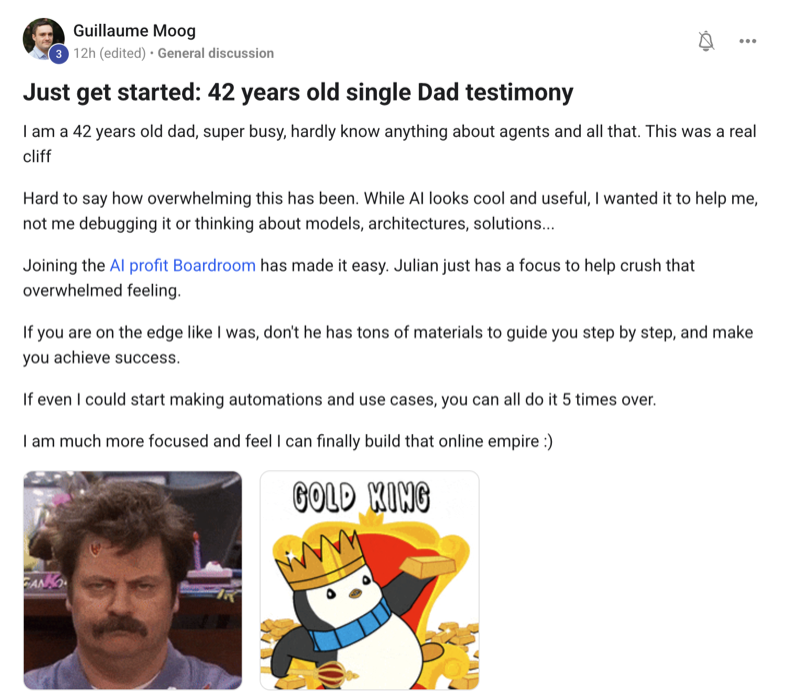
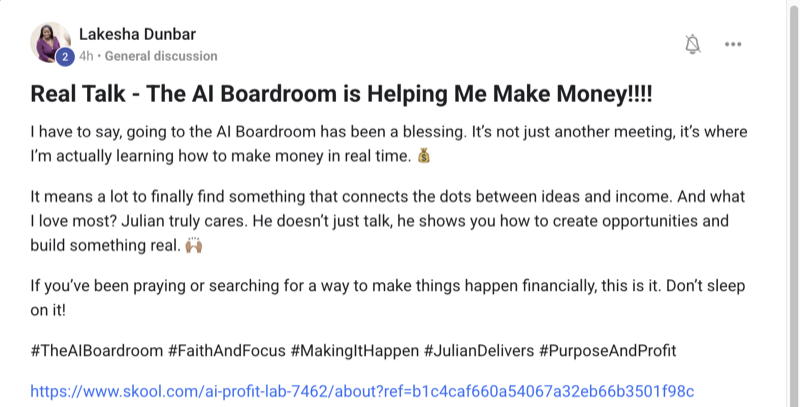
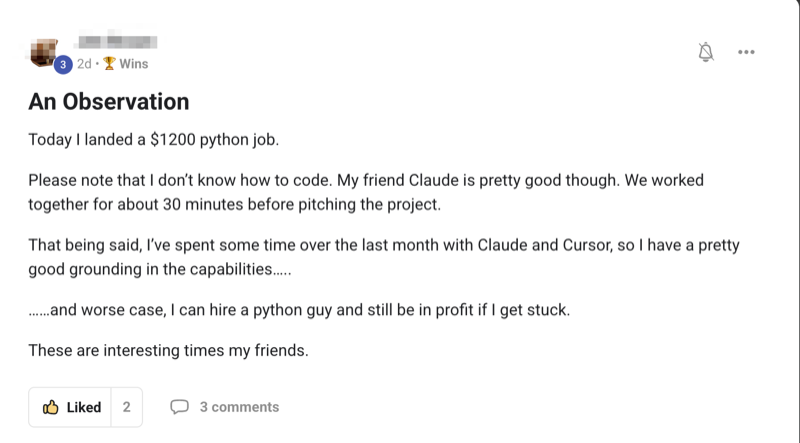
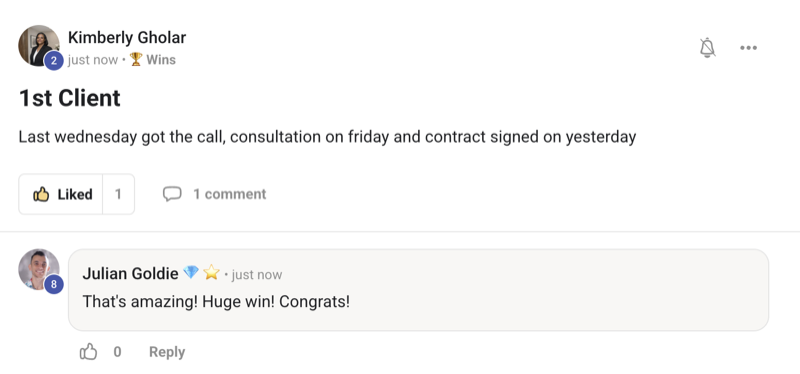
The math is not aspirational. This is the actual range of outcomes I see in members running this stack inside AI Profit Boardroom.
🚀 Are you a marketing agency? Want SEO + AI combined? Book a free strategy session with my 7-figure SEO agency Goldie Agency (50-person team). → Book free session
FAQ — Make Money With Hermes MCP Server
What is the easiest service to sell on this stack?
The "automation setup" service. Charge clients to install the Codex + Hermes MCP stack for them, train them on basic use, and add a monthly maintenance retainer. Lowest skill barrier, easiest to scope, fastest to deliver.
How much should I charge?
Build-and-ship: £1,500-£3,000 flat. Content automation: £1,000-£3,000 per month. Full-stack SEO: £3,000-£10,000 per month. Automation setup: £500-£2,000 one-off plus monthly maintenance.
How many clients can one person actually run on this stack?
Realistically five to ten clients on content and automation retainers. The bottleneck is your review time, not the stack — Hermes does the work, you spot-check.
Do I need to be a developer to sell this?
No. If you can copy and paste, you can set up the stack. The agent does the technical work. Your job is sales, scoping, and review.
What if my client wants to learn the stack themselves?
Teach them and charge for the setup. Most clients will not actually run their own stack even when they know how — running it is a habit, not a skill. You can also upsell into ongoing maintenance retainers.
Can I run this with Claude instead of Codex for clients?
Yes. Same Hermes MCP server, different brain. Claude is friendlier for content-heavy client work — see Claude + Hermes Agent.
What is the margin on these services?
80-95% in most cases. Your marginal cost is near zero because the Hermes MCP server is free, Hermes can run on a free model, and your Codex subscription is amortised across all clients.
Should I upgrade to AI Profit Boardroom for help?
If you are serious about productising this stack into services and want the 30-day roadmap, the 100 prompts, the SOP library, and weekly live coaching where I demo client delivery workflows on screen-share, yes — AI Profit Boardroom is the home for this.
Latest Updates
- Hermes SEO — the full SEO automation pipeline you can productise.
- Hermes Agent Goals — autonomous loops worth selling as a service.
- Sonnet 4.8 Review — the brain model I default to for client work.
Also On Our Network
- 🌐 Read on bestaiagentcommunity.com
- 🌐 Read on aiprofitboardroom.com
- 🌐 Read on juliangoldieaiautomation.com
- 🌐 Read on aisuccesslabjuliangoldie.com
Related Reading
- Hermes AI Agent Framework 2026 — the framework behind the MCP server.
- Hermes Agent Installation Guide 2026 — install Hermes step-by-step.
- Hermes Agent HUD UI — visual control panel for client-facing dashboards.
- Hermes Computer Use — desktop control as a service-tier upgrade.
- OpenClaw SEO Agent — alternate SEO agent that pairs with this stack.
📺 Video notes + links to the tools 👉
🎥 Learn how I make these videos 👉
🆓 Get a FREE AI Course + Community + 1,000 AI Agents 👉
For solo operators looking to build a real income on AI in 2026, the Hermes MCP server is the highest-margin productisable stack on the market — install it today, sell your first service this week, and you will compound revenue faster than any traditional agency can keep up with the Hermes MCP server.