The Sonnet 4.8 release isn't just a productivity tool — it's a money-making engine for anyone willing to put it to work, and this post breaks down ten real revenue paths I'm seeing land in 2026. The model is genuinely good enough to power production services now, and the operators wrapping it correctly are pulling in serious monthly revenue with relatively small teams.
This is the make-money view of Sonnet 4.8, not the benchmark view. I'll cover ten revenue paths, the real numbers behind each, and what to build first if you're starting from zero.
🔥 Want my Sonnet 4.8 monetisation playbook? AI Profit Boardroom has the playbook + weekly coaching for monetising AI. → Get inside
Why Sonnet 4.8 = Money
There are three reasons Sonnet 4.8 specifically is the model worth building a business around right now.
1 — Quality at scale
It's the best output for the price across a huge range of use cases, and the quality is genuinely production-ready. Output that ships to clients without heavy editing is what makes the unit economics actually work — and Sonnet 4.8 nails that bar reliably.
2 — Tool use reliability
Agents built on Sonnet 4.8 actually finish their tasks instead of getting halfway and giving up. That reliability is what turns "cool demo" into "sellable service" — clients pay for completion, not enthusiasm.
3 — Reasonable pricing
The token pricing is low enough that you can build a real margin around it. Cloud tokens are cheap relative to the value of the outputs, which is the only configuration where service businesses scale cleanly.
10 Sonnet 4.8 Revenue Use Cases
Ten use cases ranked roughly by how easy they are to start.
1 — Content services with AI
The simplest entry point is content services where Sonnet 4.8 produces faster drafts and you charge for the outcome rather than your hours. Real numbers in the market are £75 to £150 per hour equivalent for skilled operators, and the volume you can produce makes it work.
2 — AI-powered freelance writing
Use Sonnet 4.8 for first drafts, then polish and ship. The volume you can produce is roughly ten times manual writing speed, which means even at standard freelance rates the maths works. The trick is matching brand voice consistently, which is itself a sellable skill.
3 — Email copywriting
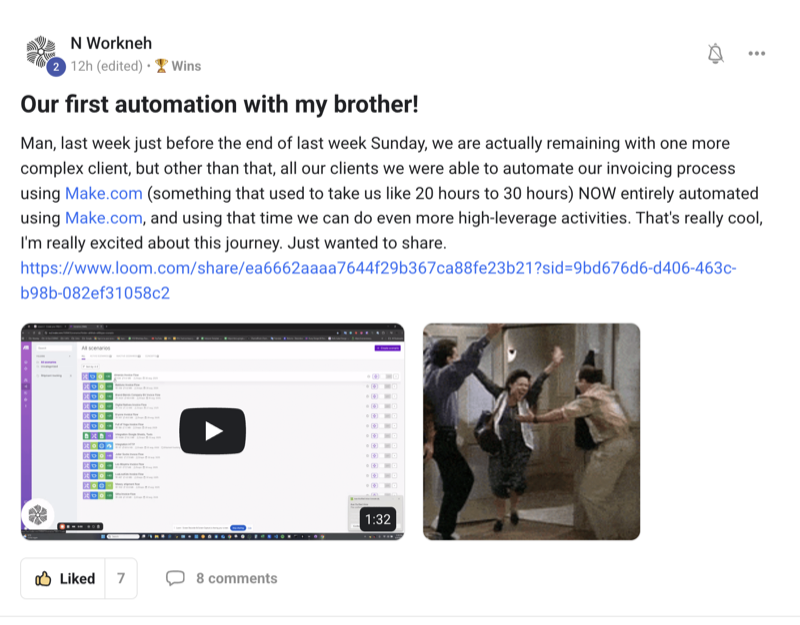
Email sequences for clients are a clean offering at £500 to £2,000 per sequence. Sonnet 4.8 makes the drafting fast, and email is a deliverable clients can immediately measure with open rates and conversion data.
4 — Landing page builds
Pair Sonnet 4.8 with design tools and you can build landing pages at £1,500 to £5,000 each. The combination of copy plus design plus speed is what makes this work — clients are paying for the integrated outcome, not the components.
5 — Custom GPTs/agents
Custom agent builds for clients run £2,000 to £7,000 per build depending on complexity. Every business with a repetitive workflow is a potential buyer, and the conversation is much easier than it was a year ago because clients now understand what agents do.
6 — Customer support automation
Customer support automation for SMBs is a £3,000 to £10,000 setup plus a recurring retainer. This is one of the highest-ROI offerings for clients because it directly reduces their support costs, which makes the sales pitch land easily.
7 — Lead generation systems
Automated scrapers paired with Sonnet 4.8 enrichment make for a £2,000 to £5,000 setup engagement. Clients in B2B love these because the output is leads with context, not just names — and that's directly tied to revenue.
8 — AI consulting
Strategy plus implementation consulting is a £200 to £500 per hour offering for those with the credibility to charge it. The hourly model is less leveraged than productised offerings, but it's a fast way to start landing revenue.
9 — Productised AI courses
Cohort training programs at £497 to £2,000 per seat are one of the highest-margin offerings in the stack. Once you've productised your knowledge, the marginal cost of an additional seat is essentially zero.
10 — White-label AI products
Building niche tools powered by Sonnet 4.8 and selling them under your own brand can generate £10,000 to £100,000 or more in revenue. This is the highest ceiling but also the highest commitment — it's the closest to a real product business of the ten options.
Watch The Tests
For broader AI monetisation thinking that pairs well with this list, the video below covers the wider strategic frame.
Realistic Sonnet 4.8 Income Numbers
Three tiers of income to anchor your expectations against.
Tier 1 — Side hustle
A side hustle running a few hours a week on use cases one to three lands at £1,000 to £3,000 a month. This is the lowest-risk entry point and the easiest to start.
Tier 2 — Part-time
A part-time business of 15 to 25 hours a week running use cases one to seven lands at £3,000 to £10,000 a month. This is where most operators sit comfortably without it taking over their life.
Tier 3 — Full business
A full business of 40-plus hours a week running all ten use cases lands at £10,000 to £50,000 or more a month. Each tier is genuinely achievable — the question is which one fits your life rather than whether the maths works.
Setup Costs Per Path
Three patterns of setup cost depending on which use cases you choose.
Low setup (£100-500)
Content services, freelance writing, and email copywriting all run on minimal setup costs — basically a Claude subscription and a CRM. Start here if capital is tight.
Medium setup (£500-2,000)
Landing page services, custom GPTs, and lead generation systems need a bit more tooling and infrastructure. Still very accessible compared to most service businesses.
High setup (£2,000-10,000)
Customer support automation, white-label products, and cohort programs require real upfront investment. Match the setup tier to the capital you can comfortably afford to deploy.
Margin Analysis
Margin profile by use case category, which matters more than gross revenue.
Highest margin (90%+)
Productised offerings, cohort programs, and white-label products run at 90 percent margin or better at scale. These are the offerings worth building toward.
Mid margin (60-80%)
Content services, custom builds, and retainers sit in the 60 to 80 percent range, which is still excellent for a service business. Most operators live here.
Lower margin (40-60%)
Hourly consulting and junior-level work run lower margins because of the time intensity. Use them as cash flow rather than a long-term plan.
Where People Get Stuck
Three blocks I see consistently.
1 — Too generic
Positioning as "AI services" is too vague to attract buyers in 2026. Specialise on a niche industry, a niche use case, or both — the more specific the positioning, the easier the sales conversation.
2 — Too cheap
Sonnet 4.8 being cheap doesn't mean your services should be. You're charging for the outcome, not the cost of the model — and clients pay for outcomes regardless of what's under the hood.
3 — No proof
Cold pitches without case studies convert badly because the AI services market is now crowded enough that clients want proof. Build case studies first, even if it means doing free or discounted work for the first one or two clients.
Cost To Run Each Use Case
API costs are genuinely small relative to the revenue these use cases generate.
Light use of one to five clients runs £20 to £50 a month in Sonnet 4.8 API spend. Medium use of five to twenty clients runs £100 to £300 a month. Heavy use of twenty-plus clients runs £300 to £1,000 a month. Compared to the £3,000 to £50,000 of monthly revenue, that's API cost at under five percent of revenue — which is the kind of margin profile that lets the business actually scale.
Pricing Strategies
Three pricing models, and the smart move is combining all three.
1 — Outcome-based
Outcome-based pricing — per landing page, per email sequence, per setup — gives you the best margins because you keep all the efficiency gains. This should be your default.
2 — Project-based
Project-based pricing with custom scope fits bigger work where the deliverable can't be standardised. Use this for engagements over £5,000.
3 — Retainer
Retainers give you predictable monthly revenue, which is what makes the business actually plannable. Always offer a retainer at the end of every project.
What To Build First
If you're starting from zero, here's the sequence I'd run.
Week one is use case number one — content services — because the setup is the lowest and you can land first revenue fast. Month one is use case number four, landing page builds, because the per-engagement ticket is higher and you only need a few clients. Quarter two moves into use case six or nine — bigger systems and cohort programs — for recurring revenue. By month six you're running multi-stream income across the stack, and the diversification means no single client can sink you.
Real Numbers I've Seen
Real numbers from people running this in the wild.
Person A runs content plus emails on twenty hours a week and pulls £6,000 a month. Person B runs landing pages plus retainers on thirty hours a week and pulls £15,000 a month. Person C runs a cohort program plus a white-label product on forty hours a week and pulls £40,000 a month. These aren't best-case scenarios — they're the people I personally know running this play.
Sonnet 4.8 Vs Other Models For Money
| Model | Best for |
|---|---|
| Sonnet 4.8 | Most paid services |
| Haiku | High-volume cheap workflows |
| Opus | Premium-priced complex work |
| GPT-5 | When client requests it |
| Gemini 3 | Long-context client work |
Sonnet 4.8 is the workhorse for the majority of services you'll sell. Reach for the others only when the use case genuinely demands it.
How To Find Clients
Three channels that consistently produce buyers.
1 — Existing network
Tell everyone in your existing network exactly what you do now. Most operators skip this step and chase cold leads, which is a much harder route — your existing network is the warmest lead source you have.
2 — Content marketing
Write and post about Sonnet 4.8 use cases consistently. Buyers find you on the back of useful content, and the leads it generates are pre-qualified because they came in already understanding what you sell.
3 — Communities
Be active in business and AI communities, help others freely, and become known as a useful contributor. Within a few months you'll be the person community members refer when someone asks for help. These three channels combined are enough to land your first ten clients in 90 days.
Sales Process
A five-step sales process that converts roughly 30 to 50 percent of warm leads.
1 — Discovery
Start with discovery — understand the client's actual pain in their own words. If you can't articulate the problem after the call, you're not ready to propose.
2 — Demo
Run a real demo of Sonnet 4.8 doing something specific to their use case. Real demos beat slides every time, and they let the client see the value rather than read about it.
3 — Proposal
Send a proposal with a clear outcome and price. Keep it short — long proposals signal hesitation rather than professionalism.
4 — Deliver
Ship the work cleanly and document the result as a future case study. Quality on the first delivery is what unlocks the retainer and the referrals.
5 — Upsell
Always offer a retainer or expansion at the end of delivery. Roughly half of clients accept if you offer well, and that's where the recurring revenue lives.
Productisation Patterns
Three productisation patterns that turn services into scalable businesses.
Service → product
Reused service patterns become products once you've delivered the same thing five or six times. Spot the pattern, package it, and stop selling it bespoke.
Free tool → paid
A free Sonnet 4.8 wrapper attracts users at scale, and a fraction of them convert to paid offerings. This is the lead magnet model done well.
Cohort → membership
A successful one-off cohort can become a monthly community where members pay ongoing for continued access and updates. All three patterns create scale beyond your hourly capacity.
Common Money Mistakes
Three common mistakes worth avoiding.
1 — Underpricing
Sonnet 4.8 is cheap, but your value isn't. Price for the outcome the client receives, not the cost of the components.
2 — No specialty
Niching down feels scary but it's the highest-leverage move you can make. Specialists win this market by a long way.
3 — No retainer offer
Always offer ongoing work at the end of a project. A 50 percent acceptance rate on retainers transforms the business model.
🚀 Want hands-on monetisation help? AI Profit Boardroom has weekly live coaching for monetising Sonnet 4.8 + community of others doing this. → Join here
Time-To-Money
Realistic timelines for each revenue milestone.
The first £100 lands in week one for most people who actually pitch. The first £1,000 lands in month one. The first £10,000 takes three to six months of consistent work. The first £50,000 lands at the twelve to eighteen month mark for the operators who stay disciplined. The curve compounds — slow at first, then surprisingly fast once positioning and proof are dialled in.
What To Track
Three metrics worth tracking from day one.
1 — Cost per output
Track API cost per output unit. This is the input to your margin calculation.
2 — Revenue per output
Track what you charge per output unit. The ratio between this and the previous metric tells you whether the business actually works.
3 — Margin
Track gross margin as revenue minus cost minus your time, divided by revenue. Watch this number — it's the single best signal of business health.
Tools To Pair With Sonnet 4.8
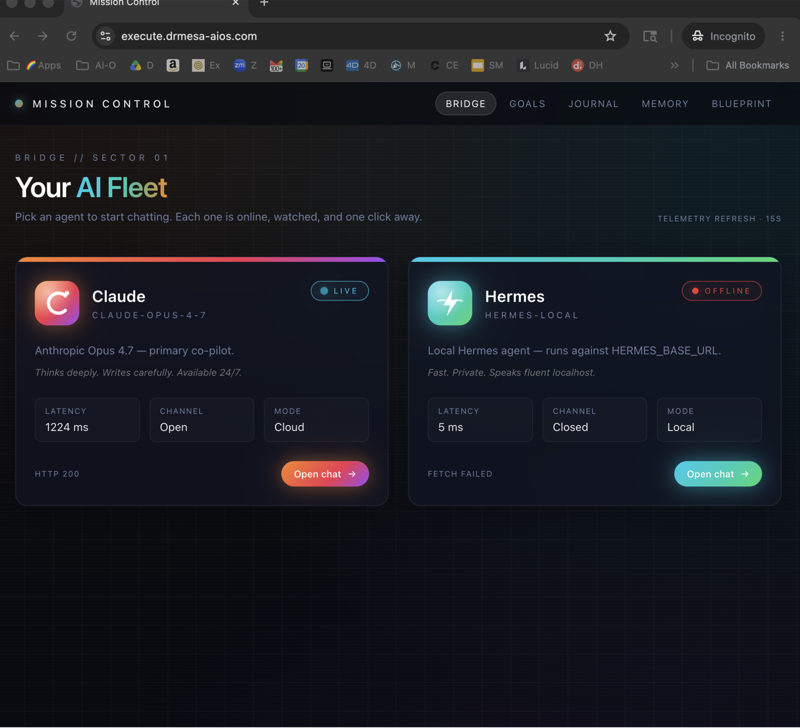
A handful of tools combine with Sonnet 4.8 to form a complete delivery stack. Claude Code handles the dev work, Hermes runs the agent ops layer, OpenClaw covers computer-use automation, and custom builds round out the bespoke client systems. Together they form the full delivery stack that lets you serve any of the ten use cases above without scrambling for the right tool mid-project.
Specific Industries Where Sonnet 4.8 Sells
Five industries where Sonnet 4.8 services are landing easily right now.
1 — E-commerce
Product descriptions, customer support, and ad copy all sell well into e-commerce brands. They have budget and they understand ROI on copy.
2 — SaaS
SaaS companies buy onboarding flows, content, and sales emails. They're sophisticated buyers who pay quickly when the value is clear.
3 — Coaching
Coaches buy cohort delivery, marketing, and sales help. Margins are healthy because their products are high-priced.
4 — Real estate
Real estate buyers want listings, CRM follow-up automation, and marketing content. The volume in this industry is genuinely huge.
5 — Legal/professional services
Legal and professional services buy document drafting (with strong QA) and client communications. The price points here are the highest of the five industries.
FAQ — Make Money With Sonnet 4.8
Realistic monthly income?
£1,000 to £50,000 or more a month depending on stage and stack. The range is wide because positioning and channel choice multiply outcomes hugely.
How long until first £?
Week one is typical for anyone who actually pitches their existing network. The bottleneck is courage, not capability.
Best use case to start?
Content services or landing pages, depending on whether you prefer volume or higher per-deal pricing.
Need technical skills?
For higher-tier paths like custom agent builds and white-label products, yes. For content and email work, no — copywriting skill matters more than technical skill.
Best margin path?
Productised cohort programs at 90 percent margin or better.
How to find first clients?
Existing network plus content plus communities. The order matters — start with the warmest channel.
Worth specialising?
Yes, every time. Niches win this market by a clear margin.
Related Reading
- AI Profit Boardroom Inside — community for monetising AI.
- Claude Code SEO Agent — code/SEO automation.
- Hermes AI Agent Framework 2026 — agent layer.
📺 Video notes + links to the tools 👉
🎥 Learn how I make these videos 👉
🆓 Get a FREE AI Course + Community + 1,000 AI Agents 👉
Sonnet 4.8 is the most monetisable AI model of 2026 — pick a use case, ship the offering, and watch the revenue compound week over week.