Small businesses using free AI tools are saving £500–£5,000 per month in software costs and staff time. These 10 tools replace expensive software, speed up daily tasks, and help you compete with businesses 10x your size.
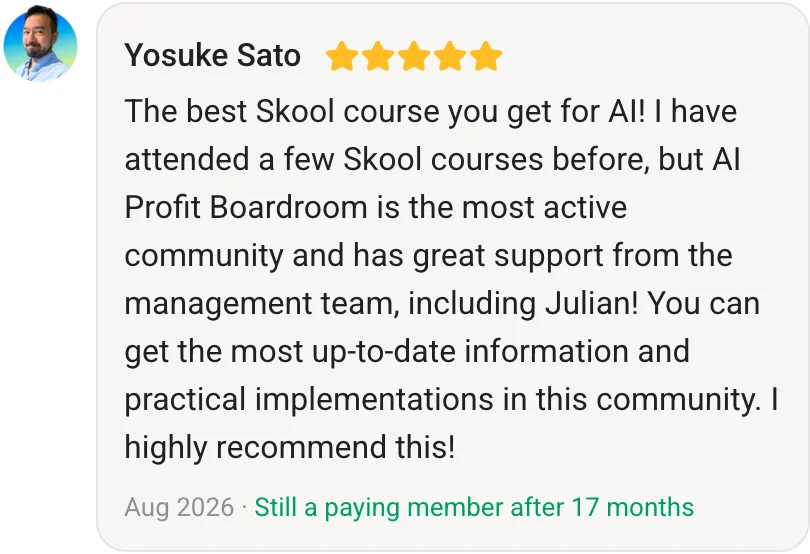
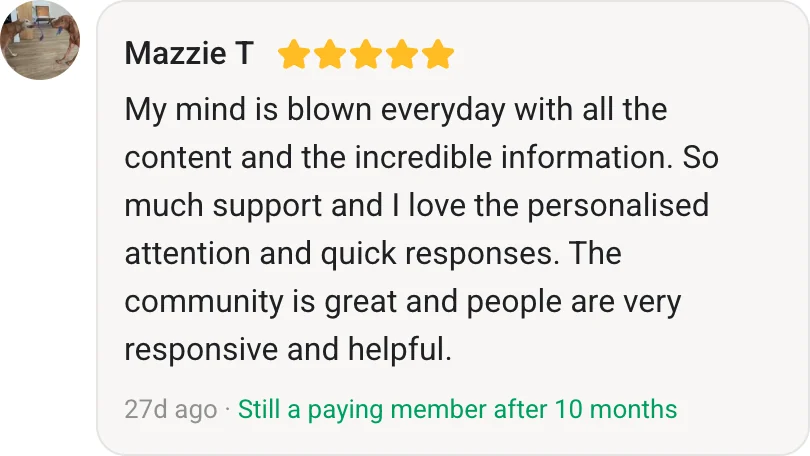
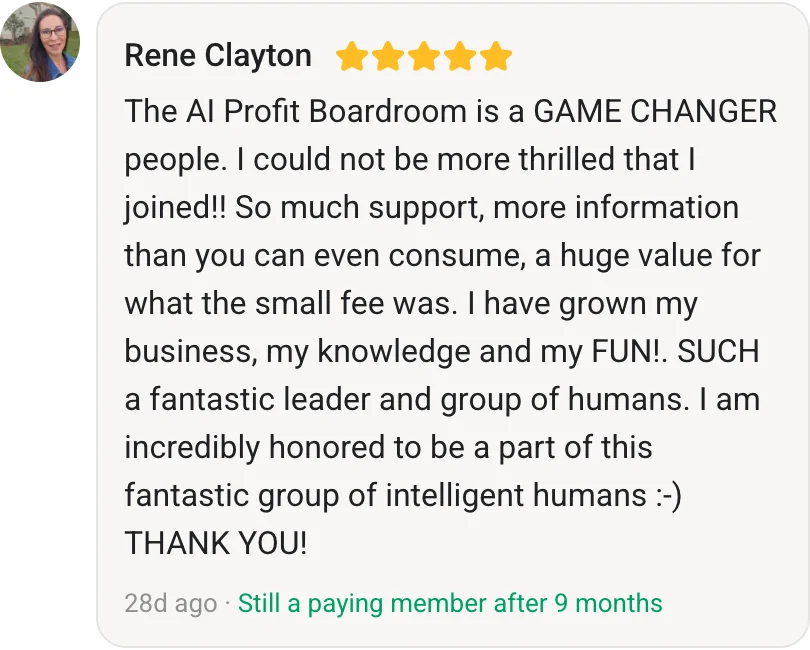
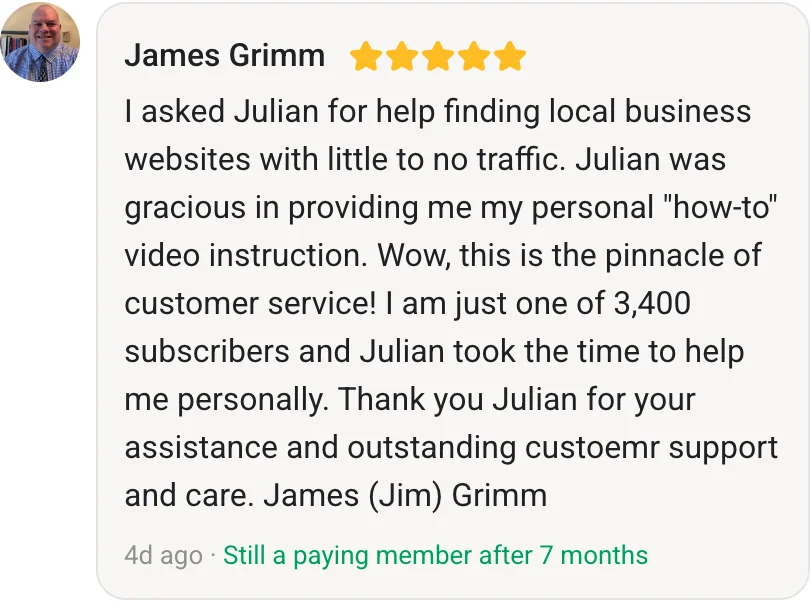
🔥 Want AI automation systems that save your business hours every week? AI Profit Boardroom has templates, coaching, and a community of small business owners using AI — $69/mo. → Join here
Why Small Businesses Are Switching To Free AI Tools
Most small business owners are paying for software they don't need. The average SME spends £400–£1,200 per month on tools that free alternatives can replace.
Beyond cost savings, AI tools save time. Writing a social media post used to take 20 minutes. With ChatGPT, it takes 2. Writing a customer email used to take an hour. With Claude, it takes 5 minutes.
The time savings compound fast. A business saving 2 hours per day has effectively hired a part-time employee — at zero cost.
This is not about cutting corners. These tools produce genuinely good work. The businesses ignoring them are falling behind the ones that aren't.
The Best Free AI Tools For Small Business (What Actually Works)
1 — ChatGPT Free — Free plan: GPT-4o mini unlimited, GPT-4o 15 msgs/day
ChatGPT handles the daily writing tasks that eat up small business owner time. Customer emails, social media content, FAQ responses, product descriptions, and job postings — all done in minutes.
Use this prompt for customer emails: "Write a professional, friendly response to this customer complaint: [paste complaint]. Acknowledge the issue, apologise, and offer a resolution." The output is better than most business owners write themselves — and it takes 30 seconds.
Small businesses using ChatGPT for daily writing save 5–10 hours per week. At £30/hour owner time, that's £600–£1,200 saved every month.
2 — Claude Free — Free plan: Sonnet 4.5, ~45 messages/day
Claude is better for formal business documents. Use it for client contracts, detailed proposals, business plans, terms and conditions drafts, and supplier communications.
Claude produces structured, professional documents that would otherwise require a consultant or solicitor for a first draft. A basic business proposal that might cost £200–£500 to outsource can be drafted in 10 minutes with Claude.
Use Claude for anything that needs to sound polished, detailed, and credible.
3 — Tidio Free — Free plan: AI chatbot for website, 50 conversations/month
Tidio adds a live chat and AI chatbot to your website for free. The free plan covers 50 AI-handled conversations per month — enough for a small business testing customer support automation.
The chatbot answers common questions automatically: opening hours, pricing, returns policy, booking information. This means customers get answers at 11pm on a Sunday without you being available.
Businesses that respond to enquiries faster close more sales. Tidio makes your response time instant.
4 — HubSpot CRM Free — Free plan: full CRM, unlimited contacts
HubSpot's free CRM is one of the most generous free tools in business software. Unlimited contacts, deal tracking, email logging, and task management — all free.
Most small businesses lose leads because they don't have a system for following up. HubSpot solves that with reminders, deal stages, and email tracking built in.
A CRM that prevents losing 2 leads per month at £500 average value is worth £1,000/month in saved revenue — for free.
5 — Canva Free — Free plan: 1,000+ templates, Magic Write 50 uses
Canva replaces a graphic designer for 80% of small business marketing needs. Use it for social media graphics, flyers, business cards, email headers, presentations, and signage.
The 1,000+ templates mean you never start from a blank page. Pick a template, update the colours and logo, and you have professional marketing material in 10 minutes.
Small businesses using Canva save £200–£800 per month in design costs compared to hiring a freelancer.
6 — Google Analytics Free — Free plan: full website analytics, always free
Google Analytics shows you exactly how people find and use your website. Which pages they visit, how long they stay, where they come from, and what makes them leave.
This information is worth more than almost any paid tool. You cannot improve your website without knowing what's working.
Set up Google Analytics today if you haven't. Check it once a week and make one improvement based on what you see. This habit compounds into significantly more website-driven revenue over 6–12 months.
7 — Mailchimp Free — Free plan: 500 contacts, 1,000 sends/month
Email marketing has the highest return on investment of any marketing channel. For every £1 spent on email marketing, the average return is £36.
Mailchimp's free plan supports 500 contacts and 1,000 sends per month. For a small business just starting to build its email list, this is more than enough.
Build a simple monthly email to your customer list: one update, one offer, one helpful tip. Businesses that email their list monthly earn 20–40% more repeat revenue than businesses that don't.
8 — Notion Free — Free plan: unlimited pages, limited AI
Notion is the best free tool for building your business's internal knowledge base. Document your SOPs, onboarding processes, supplier contacts, and team workflows in Notion.
When everything is written down, your business stops depending entirely on you. This is how small businesses scale without chaos.
Notion also works as a simple project management tool — tasks, deadlines, and responsibilities all visible in one place.
9 — Zapier Free — Free plan: 5 Zaps, 100 tasks/month
Zapier connects your tools and automates repetitive tasks between them. 5 Zaps is enough to automate your most painful daily processes.
Example automations for free: new form submission automatically creates a HubSpot contact, new Calendly booking triggers a welcome email, new invoice in Wave logs to a Google Sheet.
Each automated task is time saved every day. 100 tasks per month means 100 manual actions your business no longer needs to perform.
10 — Wave — Free plan: invoicing and accounting forever
Wave is 100% free for invoicing and accounting — not a trial, not a limited version. Send professional invoices, track income and expenses, and manage cash flow at zero cost.
Many small business owners are paying £20–£50 per month for accounting software they could replace with Wave tomorrow. The savings are immediate.
Wave also integrates with most payment processors, so clients can pay invoices online directly. Online payment options increase invoice payment rates by up to 30%.
How I'd Use These Tools To Save £1,000+ This Month
Here is the exact action plan:
- Day 1: Replace your paid accounting software with Wave — immediate monthly saving
- Day 2: Set up HubSpot CRM and import your existing contacts — stop losing leads
- Day 3: Install Tidio on your website — your site starts answering customer questions automatically
- Day 4: Set up Mailchimp and write your first email to your customer list — one email can generate £500–£2,000 in repeat sales
- Day 5: Use ChatGPT to write 30 days of social media content in one sitting — schedule it with Buffer (free, 3 channels)
- Week 2: Set up Google Analytics if you haven't, and build your first Zapier automation to remove one repetitive daily task
- Month 1 target: £500–£2,000 in costs saved, plus measurable improvement in lead follow-up and customer response time
🔥 Want AI automation systems that save your small business hours every week and thousands every month? AI Profit Boardroom has done-for-you workflows and live coaching — $69/mo. → Join now
The One Free Tool Most People Miss
Most small business owners know Canva and ChatGPT. Almost none of them are using HubSpot CRM.
This is the biggest missed opportunity on this list.
Every business loses leads. A potential customer sends an enquiry, gets busy, and never follows up. Without a CRM, you have no system for chasing that.
HubSpot's free CRM creates a contact record for every lead automatically. It reminds you to follow up. It shows you every interaction in one place.
For a business converting even 2 extra leads per month at £300 each, that's £600/month in revenue from a free tool. No other tool on this list has that direct an impact on revenue.
FAQs
Can free AI tools actually replace paid software for a small business? For most standard tasks — yes. ChatGPT handles writing, HubSpot handles CRM, Wave handles accounting, Canva handles design. Most businesses don't need paid versions until they're scaling beyond 10 staff or £500,000 in revenue.
How much time can AI tools save a small business owner each week? Typically 5–15 hours per week once all tools are set up properly. The biggest time savings come from writing automation (ChatGPT), lead management (HubSpot), and customer support automation (Tidio).
Is it safe to use free AI tools for business documents? Yes, with sensible precautions. Don't paste confidential client data, financial details, or personal information into AI tools without reading their privacy policy. Use AI for drafts and templates, then review and personalise before sending.
How do I get my team to start using these tools? Pick one tool, run a 30-minute demo for your team, and commit to using it for one task for 30 days. Adoption requires habit, not training. Start with ChatGPT for customer emails — the time saving is immediately visible.
Do these tools work for product-based or service-based businesses? Both. Product businesses benefit most from Canva (product visuals), Mailchimp (customer retention), and Google Analytics (website conversion). Service businesses benefit most from HubSpot (lead tracking), Wave (invoicing), and Calendly (booking).
Where can I get help implementing AI tools in my business? The AI Profit Boardroom on Skool has templates, implementation guides, and live coaching for small business owners. It costs $69/month and the time savings from the first month typically pay for a year's membership.
🔥 Ready to save thousands and grow faster using free AI tools? AI Profit Boardroom has done-for-you systems, live coaching, and a community of business owners using AI — $69/mo. → Join now