OpenMausBot is a free, open-source alternative to Grok Bot: a WhatsApp-style chat app for your Mac where every contact in the sidebar is a real AI agent — each with its own job, its own memory, its own connected apps and its own computer — and it runs on the Claude, Codex or Grok subscription you already pay for, with no new accounts and no extra plans. My honest verdict after using it hands-on: it is early and it can be messy, but it is the easiest way I have found to get the agent-team experience without a waitlist, a meter, or a $200 bill. Here is what it is, how it works, and where it falls short.
📺 Watch: OpenMausBot DESTROYS Grok Bot?
🔥 Get the Agent OS as a free bonus: AI Profit Boardroom members get the full Agent OS zip, prompt libraries, daily tutorials and weekly live coaching calls. → Get inside
You download one app, and you get a whole team of AI bots living in a chat interface. Each bot has its own brain, its own memory, its own connected apps — and there is one feature in here that matters more than anything else, which I will get to below.
What Is OpenMausBot?
OpenMausBot — you will occasionally see it written Open MouseBot — is an open-source Mac app built by a developer called Milind Soni, shared publicly on GitHub. It looks like Telegram or WhatsApp: a sidebar of contacts, except every contact is an AI agent. Not a chatbot that just talks — a real agent that does work. You give each one its own personality, its own job and its own model. You send a message, the bot goes off and does the task, and you approve the things that matter before they actually happen.
The clever part is what powers it. Instead of asking for API keys, OpenMausBot drives the AI tools you are already logged into: if you use Claude, it uses your Claude Code login; if you use Codex, it uses your Codex; it even works with Grok itself. That is a genuine difference from something like Hermes, where using Claude means setting up an API — here your existing subscription is the brain, and OpenMausBot just wraps the team around it. My Hermes and Claude Code guide covers the more technical route if you want it.
Why OpenMausBot Exists: The Grok Bot Backstory
The timing tells you everything about where this category is going. xAI shipped Grok Bot into early public beta on 11 August 2026 — waitlisted, $200, gated behind the top Grok and Cursor tiers, with a free trial for X subscribers. I took that trial, and it ran out of tokens in roughly twenty minutes of testing. People wanted the idea; most people could not actually get in, and those who did hit the meter fast.
Within about a day, OpenMausBot landed on GitHub doing the same job for free. I ran both side by side the day it dropped — my Goldie Bench habit, my own hands-on testing applied to products instead of models: same jobs, same afternoon, judge only what comes back. The full head-to-head is in my OpenMausBot vs Grok Bot comparison, and the step-by-step setup lives in my Grok Bot free alternative walkthrough — this page is the complete tour of the app itself.
If you want an agent team working for you without betting on launch-week apps, check out the AI Profit Boardroom → Get the Agent OS and weekly coaching inside
A Model Picker for Every Single Bot
This is the feature that genuinely surprised me, because Grok Bot cannot change the model at all — you get what xAI gives you. In OpenMausBot, every bot has its own model picker. One bot can run on Claude, another on Codex, another on Grok, and they sit next to each other in your sidebar like people on your team. There is a dropdown in the top right of each chat where you select between the Claude models, Codex or Grok options.
Why does that matter day to day? Because different jobs need different brains. Some models are better at writing, some at research, some are faster and cheaper to run. Your writing bot runs on the model that writes best; your research bot runs on something else. You are building a team instead of asking one assistant to do everything — and in my testing it even picked up the skills and history already loaded into my Claude setup, reaching my Obsidian vault and my keyword research skill with live Google Search Console access without me configuring a single API.
📺 Watch: NEW OpenMaus Bot is ABSURD!
Every Bot Gets Its Own Computer
This sounds strange the first time you hear it, but inside OpenMausBot there is a computer panel, and the bot gets a cloud desktop — a real Linux computer running somewhere else that the bot controls by itself, with a live preview of the screen while it works. It ships this using cloud desktops from a service called Box and computer-use technology from a project called CUA. You can watch your bot click around, open apps and do the task; you can open the desktop in your browser and take over; and you can point the bot at your own Mac instead, so it works on your actual machine.
Now the honest caveat: computer use in general is still slow. Grok Bot was very smooth as an app, but its computer use crawled — I watched it get stuck just going into Google and typing hello. OpenMausBot is in the same boat, because everyone is. This is where the whole field is heading, and I have covered the same trajectory in my Hermes computer use guide — revolutionary direction, patience still required.
Permissions and Connected Apps
The feature that makes OpenMausBot actually safe to use is the permission system. When a bot wants to run a command, edit a file or do anything risky, a little card pops up in the chat and you either allow or deny — like approving something on your phone. Every risky action becomes a decision you make, so the bot never goes rogue on your files, and you see exactly what it wants to do before it does it.
Then there are connected apps: a one-click marketplace built on Composio with over 500 apps you can plug in, including Gmail, Slack, Notion and Linear. You connect an app once, log in once, and every bot on your team can use it as a tool. A morning bot that reads your Gmail and drafts replies for approval; a project bot that updates your Notion; a bot watching Slack for questions from your team and drafting answers from your docs. That is real work, not chat.
Local-First, With One Honest Caveat
OpenMausBot is local-first: one small server lives on your Mac and manages the agent processes, and your conversations, keys and event logs all live in a folder on your computer. The caveat I want you to keep straight is that you are still using cloud models — Claude, Codex and Grok all send data to the cloud. This is not a local-model setup; it is local-first plumbing around hosted brains. For most people that trade is fine, but know what you are getting.
How to Get OpenMausBot
Download is refreshingly boring: it is on GitHub as a simple Mac app — drag it into your Applications folder and open it, with the server built in. Windows support is coming, and Linux and Ubuntu are on the way too. The one requirement is at least one AI tool already installed and logged in on your machine: Claude Code, Codex or the Grok tool. If you already use one of those, it shows up in the model picker automatically. The only fiddly part in my setup was configuring the CLI side, and I got an assistant to help me through that in a few minutes.
The Limits I Hit
Straight talk, because this is a brand-new open-source project and it behaves like one.
- It is early. It launched within a day of Grok Bot's beta, and it can be messy — the formatting of its questions, for instance, is rough in places.
- Provider list is short. It appears to run only on Claude, Codex and Grok, so you need one of those. The upside: you can use the CLI login rather than an API.
- Approvals add friction. The permission cards are the right default, but I can imagine them getting annoying at volume.
- Agent-to-agent handoff failed my test. Tagging one bot from another bot's chat — a genuinely good Grok Bot feature — did not work when I tried it. I expect it will be fixed, but be aware.
None of these are deal-breakers at the price of free. They are the normal cost of using something the week it exists — if you want the polished version of this shape, that is what the $200 competitor is selling.
📺 Watch: NEW Hermes Agent Beats Grok Bot!?
Where OpenMausBot Fits
Here is the map as I see it. Hermes is free and open-source but more technical to run — my Grok Bot vs Hermes breakdown covers that side. Grok Bot is smooth but waitlisted, metered and expensive. OpenMausBot sits in the middle: free, genuinely easy — it is basically WhatsApp for AI agents, the same chat-first instinct behind my messaging-app agent setup — and it runs on the subscription you already have.
Bigger picture, the shape is what matters. One assistant in one chat box was version one. A team of agents, each with a name, a job, a model, apps and a computer — that is version two, and Grok Bot, OpenMausBot and my own Agent OS are all built on it. Everything is converging on easier ways to run a team of agents, and OpenMausBot is the cheapest ticket into that future right now: not as smooth as Grok Bot, but open source, no waitlist, and most people cannot get Grok Bot anyway.
If you want the agent-team system with the training and support wrapped around it, check out the AI Profit Boardroom → Join the AI Profit Boardroom
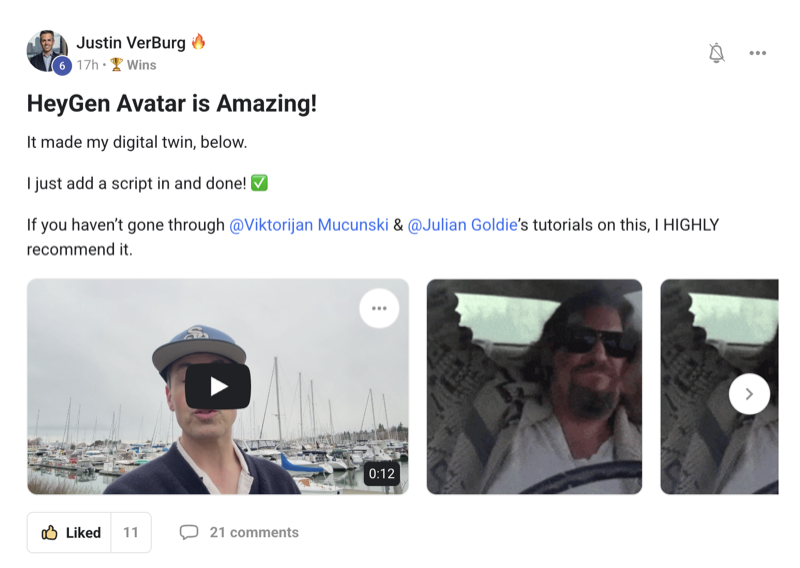
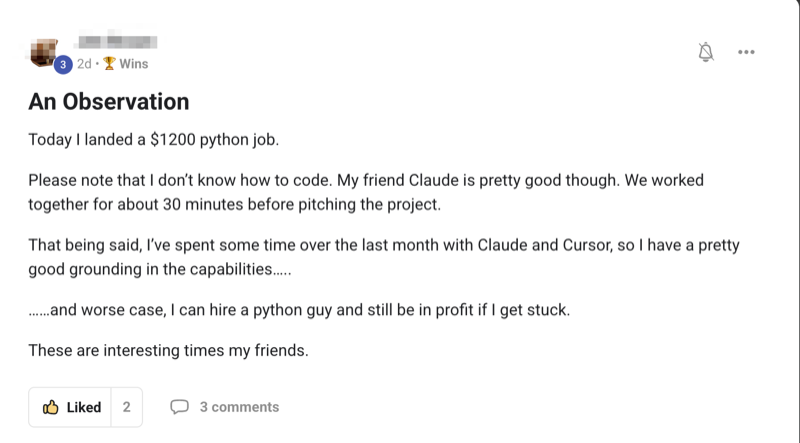
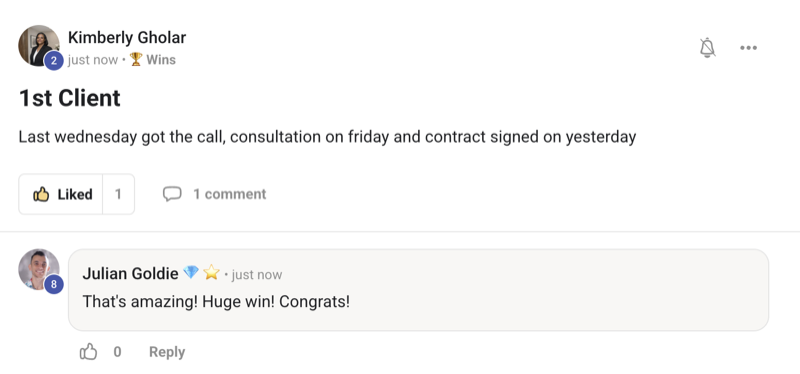
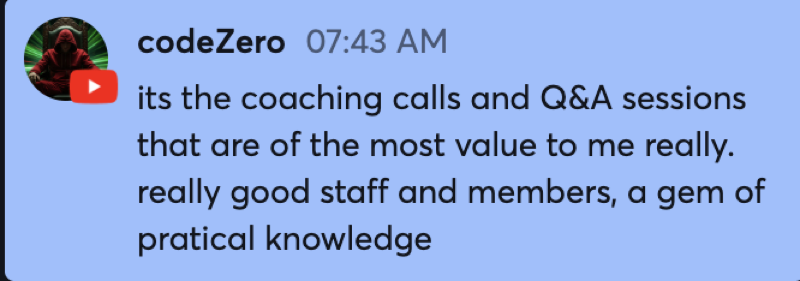
Real wins from inside the AI Profit Boardroom
See all 3,000+ members →

Ready To Join The #1 AI Community?
Join 3,600+ entrepreneurs inside the AI Profit Boardroom. Get 1,000+ plug-and-play AI agent workflows, daily coaching, and a community that holds you accountable.
Join The AI Community →7-Day No-Questions Refund • Cancel Anytime

Wait — before you leave
Get the entire AI Profit Stack for $59/mo locked
- 🎯 1,000+ done-for-you AI agent workflows
- 📅 5 live coaching calls per week with me
- 👥 3,000+ AI operators inside
- 🛡️ 7-day refund + 30-day ROI guarantee